
— Nano-carbon Silicon Anode Materials
Safe · Precise · Sustainable: Defining the next frontier of energy
Icarus Energy advances nano-carbon silicon anode materials and next-generation energy storage through proven nanotechnology and scalable manufacturing.
Mass production achieved
◎
Explore partnership
Energy density 800–1,000 Wh/kg
12–15 minutes charging time
1,500+ cycles
— Vision & Objectives
Graphite × nano-carbon silicon: a powerful combination for battery performance
Our goal is to advance next-generation energy storage and sustainable mobility through mature nanotechnology and scalable production, transforming renewable agricultural and forestry residues into high-value battery materials.
Target markets: electric vehicles, consumer electronics and grid storage.
Three-step roadmap
01 Technology validation Build a stable foundation for silicon anodes through nanostructure and composite-material engineering.

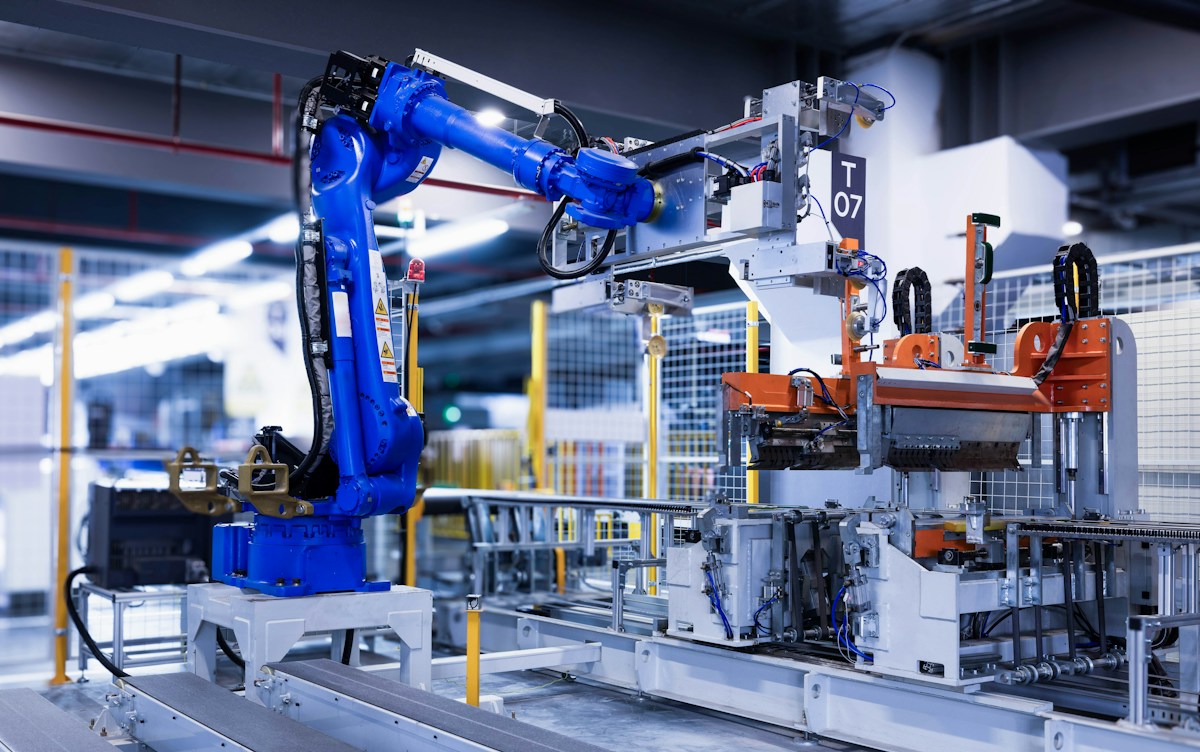
02 Scaled manufacturing Bring proven material technology to scalable production with predictable economics.
03 Market expansion Address high-demand applications in EVs, consumer electronics and grid storage.

— Technology & Innovation
Engineering renewable feedstocks into high-performance anodes
A highly resilient, conductive network preserves outstanding electrical contact through demanding charge and discharge cycles.
Nano-silicon architecture
Carefully engineered internal voids accommodate roughly 300% silicon expansion, reducing electrode deformation and structural-fracture risk.
Carbon–silicon hybrid matrix
A resilient conductive network maintains stable electrical contact during extreme lithiation cycles, supporting reliable material longevity.

Sustainable pathway: renewable agricultural and forestry feedstocks
Lower cost: high-value utilization and material-process design
Stable conductivity: porous design with precise encapsulation control
— Industry Challenges & Solutions
Breaking graphite capacity limits and solving silicon-anode engineering challenges
Conventional graphite anodes are limited to a theoretical capacity of 372 mAh/g, creating a key barrier to longer range. Commercial silicon anodes must also address volume expansion, unstable solid-electrolyte interphase (SEI) layers and low conductivity.
Engineering challenges
Our solutions
01 Volume expansion Silicon particles can expand by roughly 300% during lithiation, creating a risk of structural fracture.
02 Unstable SEI Repeated expansion can fracture the solid-electrolyte interphase and consume active lithium and electrolyte.
03 Low conductivity Silicon’s intrinsic conductivity is far lower than graphite, limiting rate performance.
— Performance & Competitive Edge
Disruptive performance: nano-carbon silicon vs. graphite
Actual performance depends on cell design and application conditions.
Conventional graphite
Icarus Energy
Energy density
350 Wh/kg
800–1,000
Charge time
30–40 min
12–15 min
Cycle life
1,000 cycles
1,500+ cycles
Performance comparison
Energy density 350 → 800–1,000 Wh/kg
Charge time 30–40 → 12–15 min
Cycle life 1,000 → 1,500+ cycles
+100%
More range
200%
Faster charging
+50%
Longer life
−30%
Reduced thickness
— Market Applications & Scale
Large markets, high demand: scaling opportunities ahead
Higher energy density, faster charging and cycle stability serve the material needs of electrified transport, consumer electronics and grid storage.
Electric vehicles
Challenge: range anxiety and slow charging. Solution: higher energy density and faster charging.

Consumer electronics
Challenge: heavy batteries and frequent charging. Solution: longer use time and thinner designs.

Grid storage
Challenge: limited cycle life and high cost. Solution: 1,500 cycles and a 21% cost reduction.
Commercialization path: scalable, high-performance and sustainable materials for next-generation storage.
— Team, Q&A & Collaboration
Advancing next-generation energy storage through materials engineering
Icarus Energy is leading the transition from graphite anodes to high-performance silicon anodes, powered by mature nanotechnology and scalable manufacturing.
Christopher Remedios
CEO / Founder
Martin Hui
COO
Dr. Lam
CTO
Alice Chan
Director of Administration
Explore our materials
What is a nano-carbon silicon anode?
How does it manage silicon expansion?
What advantages does it offer over graphite?
Which markets can benefit?
Is mass production ready?
Can performance vary by cell design?
Materials and performance data are subject to actual testing and commercial validation.
Back to home